Get Energy Audit Service
Energy audit services help property owners identify energy inefficiencies and recommend improvements for projects like insulation, HVAC systems, and lighting upgrades.
Property owners in the area seeking to optimize energy efficiency often turn to professional energy audits to identify potential improvements. Conducting an energy audit provides practical insights into how a property uses energy, highlighting areas where efficiency can be enhanced. This information can support planning renovation projects, upgrading insulation, or improving heating and cooling systems, helping owners make informed decisions about their property’s energy management.
Exploring options for energy audit services involves comparing local contractors who specialize in assessing and analyzing building performance. By connecting with experienced service providers in the community, property owners can find tailored solutions that meet their specific needs. Continuing to read can help identify qualified local professionals capable of assisting with energy efficiency improvements, ensuring the right expertise is available for your project.
- Residential Energy Audits - homeowners may need this work to identify ways to improve energy efficiency in their homes.
- Commercial Building Assessments - business owners seek this service to reduce operational costs and optimize energy use.
- Industrial Facility Evaluations - factories and manufacturing plants require audits to enhance energy management and compliance.
- New Construction Energy Planning - builders may need assessments to ensure new buildings meet energy performance standards.
- Retrofit and Upgrade Inspections - property owners look for this work when upgrading existing systems to improve energy savings.
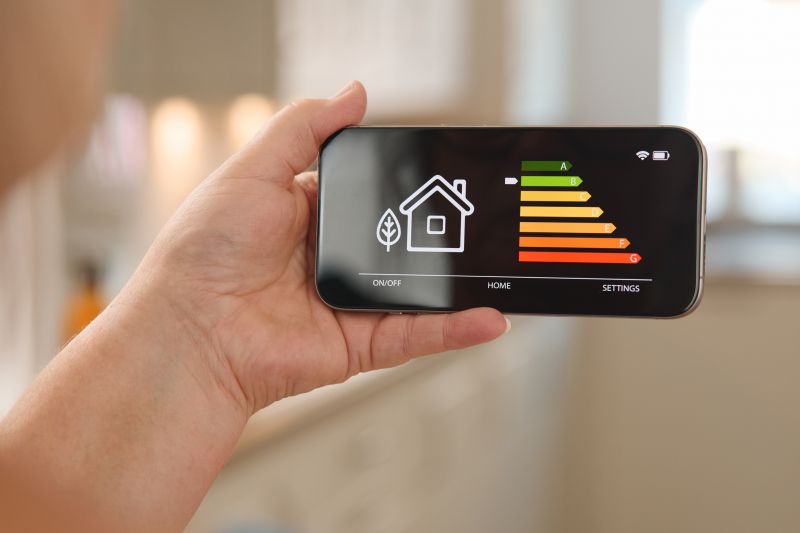
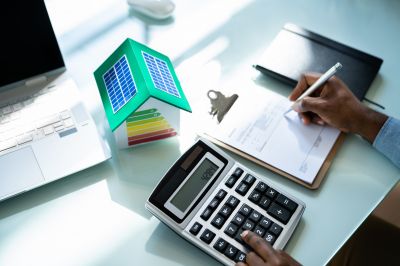
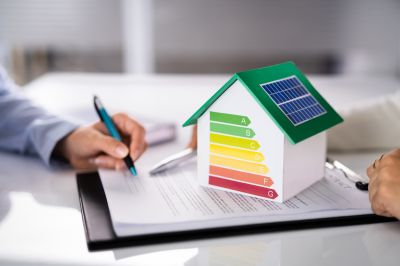
Energy audit services involve a comprehensive assessment of a property's energy use and efficiency. Skilled service providers examine various aspects of a home or building, including insulation, heating and cooling systems, windows, doors, and lighting. The goal is to identify areas where energy is being wasted and to determine opportunities for improving overall efficiency. This process often includes detailed inspections and data collection to provide property owners with a clear understanding of how energy consumption occurs and where savings can be achieved.
These services help address common problems such as high utility bills, uneven indoor temperatures, drafts, and poor insulation. By pinpointing specific issues, an energy audit can guide property owners on effective upgrades and modifications. This not only helps reduce ongoing energy costs but can also improve comfort levels within the home or building. For those planning renovations or upgrades, an energy audit provides valuable insights to ensure investments lead to meaningful efficiency improvements.
Typically, energy audit services are utilized for residential properties, including single-family homes and multi-unit dwellings. They are also frequently used for commercial buildings, such as offices, retail spaces, and small industrial facilities. Homeowners often seek these services when they notice rising energy bills, drafty rooms, or inconsistent temperatures. Business owners may use an energy audit to optimize operational costs or meet building performance standards. In general, any property looking to reduce energy waste and improve comfort can benefit from a professional energy assessment.
By working with local service providers, property owners can gain tailored recommendations suited to their specific property type and needs. These professionals can identify inefficiencies that might not be obvious without a detailed inspection. Whether the goal is to lower utility expenses, enhance indoor comfort, or prepare for future upgrades, an energy audit offers practical insights. Connecting with trusted local contractors ensures that the assessment is thorough and that recommended improvements are appropriate and effective for the property involved.
The overview below groups typical Energy Audit Service projects into broad ranges so you can see how smaller, mid-sized, and larger jobs often compare in your area.
In many markets, a large share of routine jobs stays in the lower and middle ranges, while only a smaller percentage of projects moves into the highest bands when the work is more complex or site conditions are harder than average.
Basic Energy Audits - these typically cost between $250 and $600 for many smaller or routine assessments. Most projects fall within this range, especially for single-family homes or small commercial spaces.
Comprehensive Evaluations - more detailed audits can range from $600 to $1,200, depending on the size and complexity of the property. Larger or multi-unit buildings may push costs into this middle tier.
Advanced Diagnostic Services - in-depth energy analysis involving specialized equipment often costs between $1,200 and $3,000. Many complex projects or commercial sites tend to fall into this higher range.
Full System Reassessment - extensive audits that include detailed testing and recommendations for large facilities can reach $3,000 or more, though such projects are less common and typically involve larger, more complex systems.
Actual totals will depend on details like access to the work area, the scope of the project, and the materials selected, so use these as general starting points rather than exact figures.
Building Envelope Inspections - professionals assess the insulation, air leaks, and overall envelope of buildings to improve energy efficiency, similar to energy audits that identify areas for optimization.
HVAC System Evaluations - local contractors analyze heating, ventilation, and air conditioning systems to ensure proper operation and efficiency, aligning with energy audit assessments.
Lighting Efficiency Assessments - service providers evaluate lighting systems to recommend energy-saving upgrades, paralleling the planning involved in energy audits.
Renewable Energy Site Assessments - experts evaluate potential sites for solar or other renewable installations, which requires similar analysis and planning skills as energy audits.
Indoor Air Quality Testing - professionals perform tests to identify indoor air issues, often linked to energy efficiency and ventilation practices examined during energy audits.
Utility Meter Data Analysis - local pros analyze utility data to identify consumption patterns and potential savings, a process related to the data review component of energy audits.
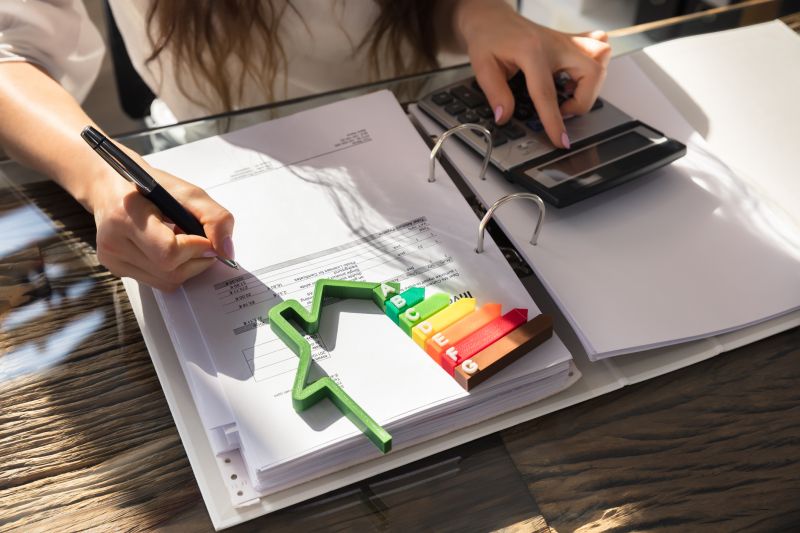
When comparing service providers for an energy audit, it’s helpful to consider their experience with similar projects. Homeowners should look for local contractors who have a proven track record performing energy assessments in homes comparable to their own. An experienced professional will be familiar with common issues and effective solutions, which can lead to a more thorough evaluation and meaningful recommendations. Verifying the types of properties a contractor has worked on can provide confidence that they understand the specific needs of your home.
Clear written expectations are essential when selecting a service provider for an energy audit. Homeowners should seek out local pros who can provide detailed descriptions of the scope of work, the steps involved in the assessment, and what the homeowner can expect to receive at the conclusion. Having this information in writing helps prevent misunderstandings and ensures everyone is aligned on the process. It’s also beneficial to ask how the provider communicates findings and recommendations, so there’s clarity throughout the project.
Reputable references and strong communication skills are key factors to consider. Homeowners can ask potential local contractors for references from previous clients who had similar work done, giving insight into the quality of service and professionalism. Good communication involves responsiveness, clarity, and a willingness to answer questions, which can make the entire process smoother. Keep in mind that this site introduces homeowners to local options and does not perform the work itself, so it’s important to evaluate each service provider’s background and communication style directly.
Property owners use Energy Audit Service services for practical projects around their homes and businesses. This guide focuses on everyday jobs and straightforward project options.
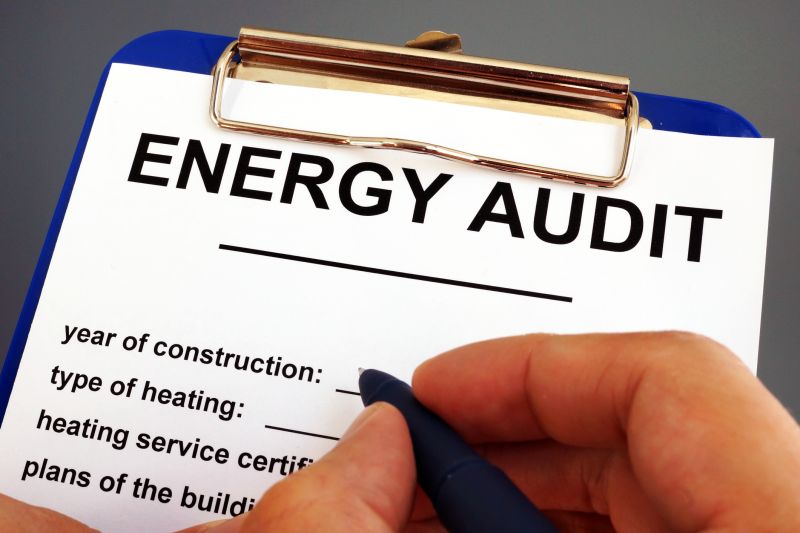
Energy audit services are often sought by property owners who want to identify ways to reduce utility bills and improve the comfort of their homes or commercial spaces. Whether it's noticing uneven heating and cooling, drafts around windows and doors, or unexplained spikes in energy use, many decide to bring in local contractors to evaluate their property’s efficiency. These professionals can provide insights into how energy is being used and suggest practical improvements to help optimize performance and lower costs.
Property owners may also look for energy audit services when preparing for upgrades or renovations, aiming to make informed decisions about insulation, HVAC systems, or appliance replacements. Local service providers are equipped to assess current energy systems and recommend solutions that can enhance overall efficiency. Connecting with experienced contractors can help ensure that energy improvements are tailored to the specific needs of each property, making the process straightforward and effective.
What is an energy audit? An energy audit is an assessment conducted by local contractors to evaluate a property's energy use and identify potential improvements for efficiency.
How can an energy audit benefit my home or business? An energy audit helps pinpoint areas where energy is wasted, enabling property owners to make informed decisions about upgrades that can improve comfort and reduce energy consumption.
What areas do energy audits typically examine? Energy audits usually assess insulation, heating and cooling systems, windows, lighting, and appliance efficiency to determine where energy savings are possible.
Are energy audits suitable for all types of properties? Yes, local service providers can perform energy audits on a variety of properties, including residential, commercial, and industrial buildings.
How do I find qualified local contractors for an energy audit? This website can connect property owners with experienced local professionals who specialize in conducting comprehensive energy assessments.
Energy Efficiency Improvements - Use an energy audit to identify areas where insulation, windows, or appliances can be upgraded to reduce energy consumption.
Heating and Cooling Optimization - Assess current HVAC systems to find ways to improve efficiency and lower utility bills through proper system tuning.
Utility Cost Reduction - Discover opportunities to decrease monthly energy expenses by pinpointing wasteful energy use and recommending practical changes.
Environmental Impact Awareness - Gain insights into how everyday habits and property features affect energy use, helping to implement more efficient practices.
If you are thinking about Energy Audit Service for a property, this guide is meant to help you understand the work, the typical project types, and how different options might fit your plans.
When you are ready, you can use the quote form on this page to share a few details about your project. From there, local pros can review the basics and respond with options that match what you have in mind.